Crafting a Calm & Meaningful Bris Ceremony
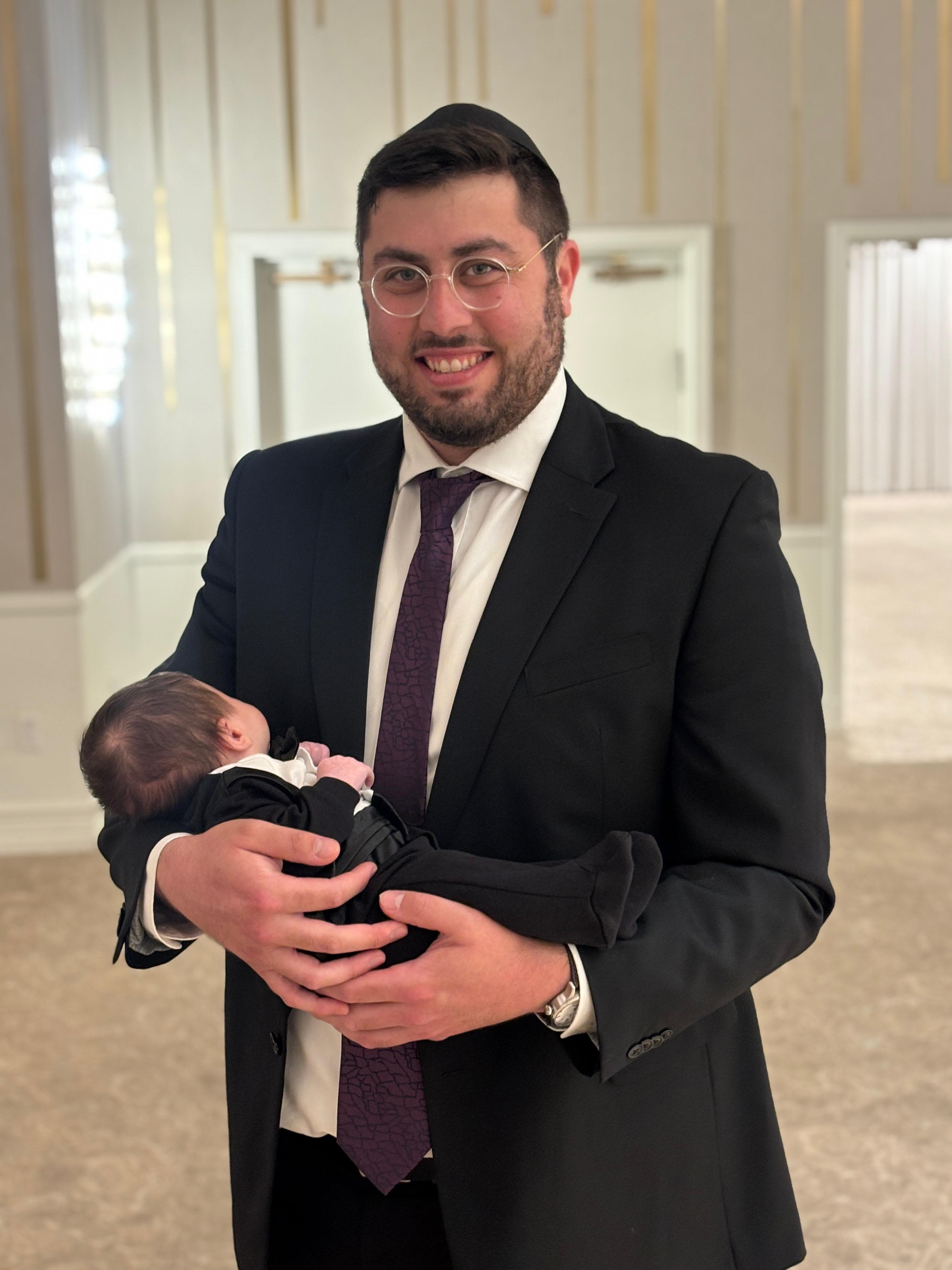
Hi, I'm Zvi Spiegel,
Thank you for considering me to be part of your son's bris. It is a privilege to help families celebrate this meaningful milestone with a calm, professional, and memorable brit milah ceremony.
As a certified mohel, I am committed to providing compassionate care, clear communication, and a positive experience for both parents and baby. I proudly serve families throughout Baltimore, Maryland, Washington, DC, Northern Virginia, and surrounding communities. I have performed brisses and circumcisions across multiple states along the East Coast and am available to travel when needed.
My goal is to ensure that every family feels informed, comfortable, and supported throughout the process. From your initial consultation to the ceremony itself, I am available to answer questions, discuss traditions and customs, and guide you through every step of planning your son's bris.
Please feel free to contact me with any questions or concerns, or to schedule a pre-bris consultation. I look forward to helping your family celebrate this special occasion.
Warm regards,
Zvi Spiegel
Certified Mohel
Serving Baltimore, Maryland, Washington, DC, Northern Virginia, and the East Coast
A Personal Journey in
Sacred Tradition
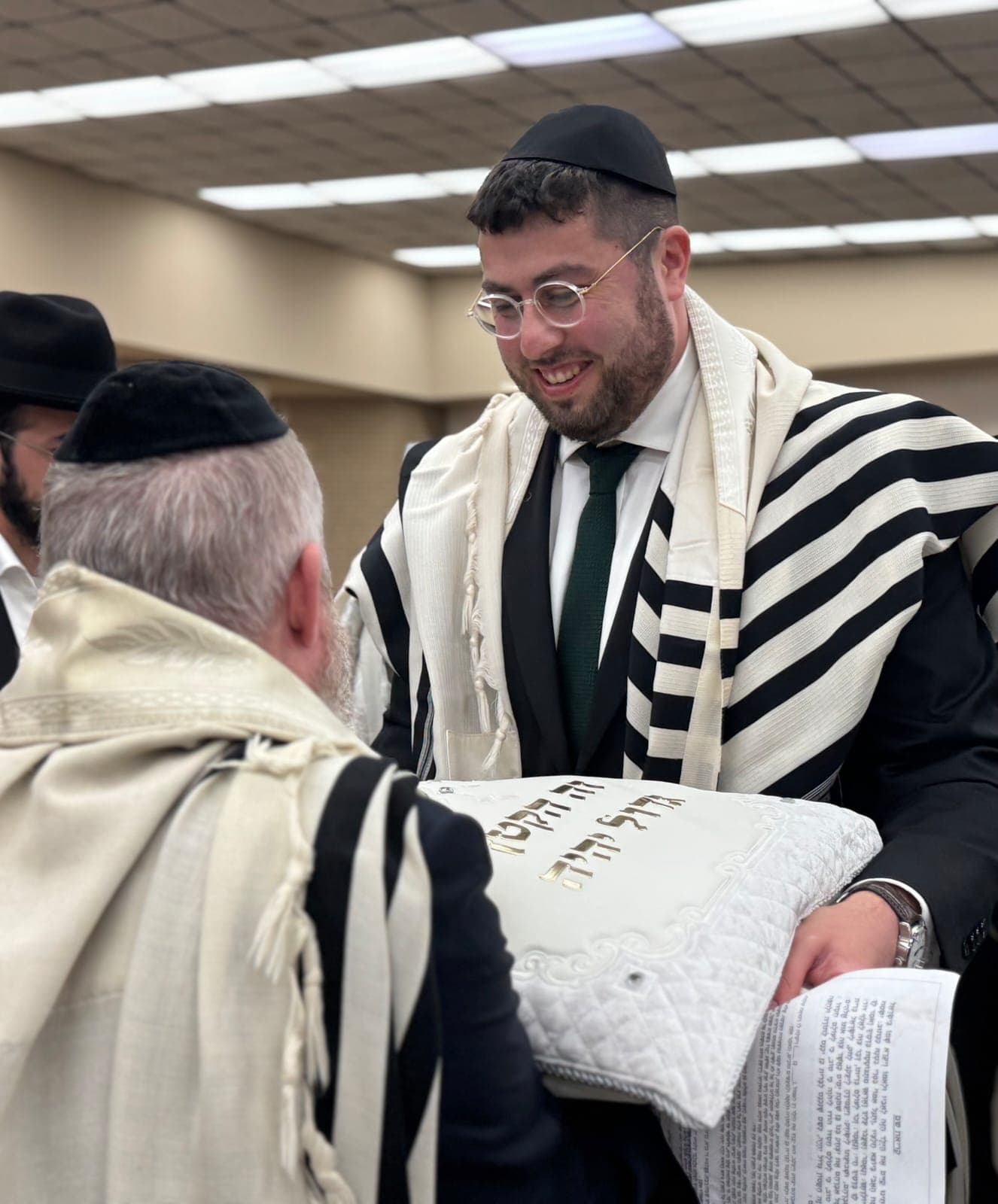
I have trained extensively in the art and laws of Bris Milah under the guidance of Rabbi Shimon Schreiber and am certified by the world-renowned halachic authority, Rabbi Moshe Heinemann shlit"a.
In addition to my formal training, I have had the privilege of working alongside and learning from experienced veteran mohalim, further developing the skills and sensitivity required to perform this sacred mitzvah. The highlight of my career was performing the bris for my own son, an experience that deepened my appreciation for the profound responsibility and privilege of serving Jewish families during this meaningful moment.
I live in Baltimore, Maryland, with my wife and children, where I am actively involved in studying and teaching Torah and Judaism in a variety of community settings.
As a certified mohel serving Baltimore, Maryland, Washington, DC, Northern Virginia, and surrounding communities, I am committed to helping families celebrate their son's brit milah with professionalism, compassion, and adherence to both halachic and medical standards.
Endorsements & Testimonials
Why Families
Trust Rabbi Zvi
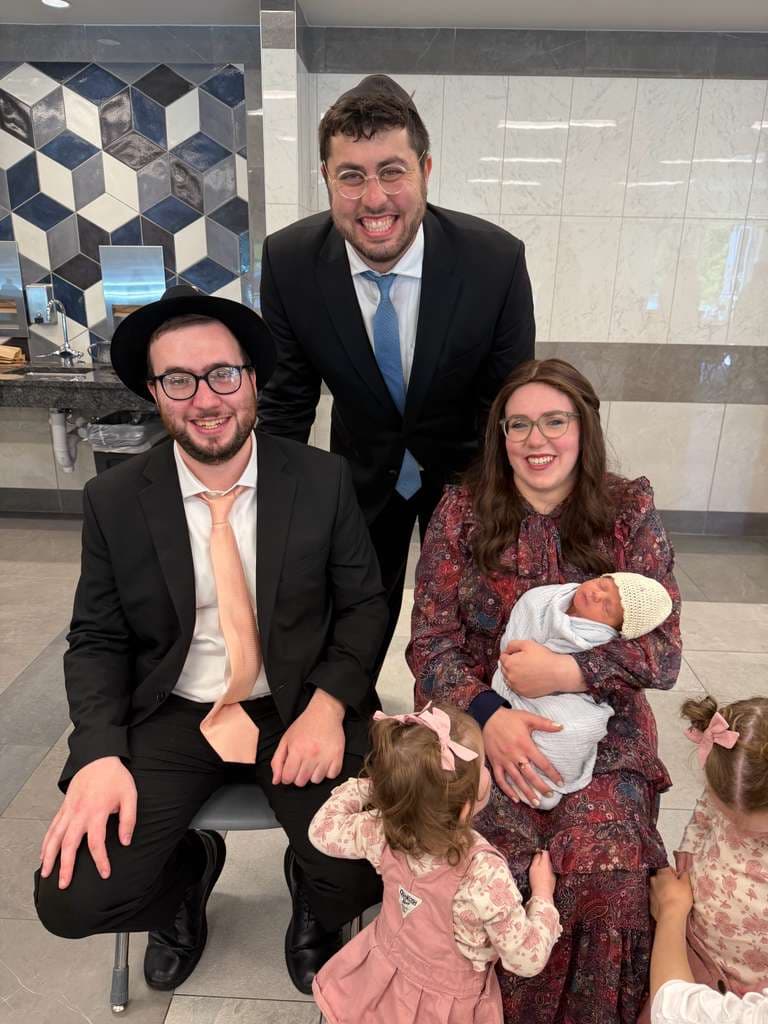
Rabbi Spiegel combines timeless tradition with modern clinical precision to provide the safest, quickest, and most meaningful experience possible.
Gentle Technique
A calm, reassuring environment with sucrose and lidocaine to minimize any discomfort.
Fast Procedure
The procedure is typically completed in under a minute, with the baby calming immediately after swaddling.
Follow-up Care
Dedicated support for days following the bris, ensuring perfect healing and parental peace of mind.
Inclusive Ceremonies
Welcoming all families and creating meaningful, elevating experiences that honor your traditions.
Travel Availability
Serving MD, DC, VA, and PA. I am happy to travel to you for your son's bris.
Medical Awareness
Rigorous training and medical caution, working closely with pediatricians and urologists.
Halachic Expertise
In-depth knowledge of Jewish law (Bris Milah) ensuring the ceremony is both valid and beautiful.
The Journey to a Meaningful Bris
A seamless and supportive process designed to give your son the best possible start.
Consultation
Initial conversation to discuss the process, timing, and any specific family needs or medical concerns.
Pre-Bris Guidance
Detailed instructions on what to bring and how to prepare the baby for a calm experience.
Ceremony Preparation
Setting the stage for a meaningful event, including honors for family members and ritual items.
Bris Ceremony
The ritual procedure performed with clinical precision and spiritual depth, followed by the naming.
Aftercare Support
Continuous availability and follow-up after the bris to ensure perfect healing.
Frequently Asked
Questions
Find answers to the most common questions families have when preparing for their son's Bris Milah. If you have any other concerns, please don't hesitate to reach out.
Detailed Instructions for Families
Rabbi Zvi Spiegel provides professional, step-by-step guidance before and after the procedure to ensure a calm, safe, and speedy recovery.
בס"ד
Bris Instructions
Mazel tov! Thank you for allowing me to be a part of your celebration. Please print this page for reference. If you have any questions or concerns, please reach out to me at any time. If you need help obtaining ritual items, please let me know.
Items to Bring:
Please have the following items available on the day of the bris:
- Bris pillow & outfit
- Kiddush cup
- Sweet red kosher wine [e.g. Kedem, Rashi]
- Receiving blanket
- Diapers x5 (disposable)
- Wipes
- Pacifier (if used)
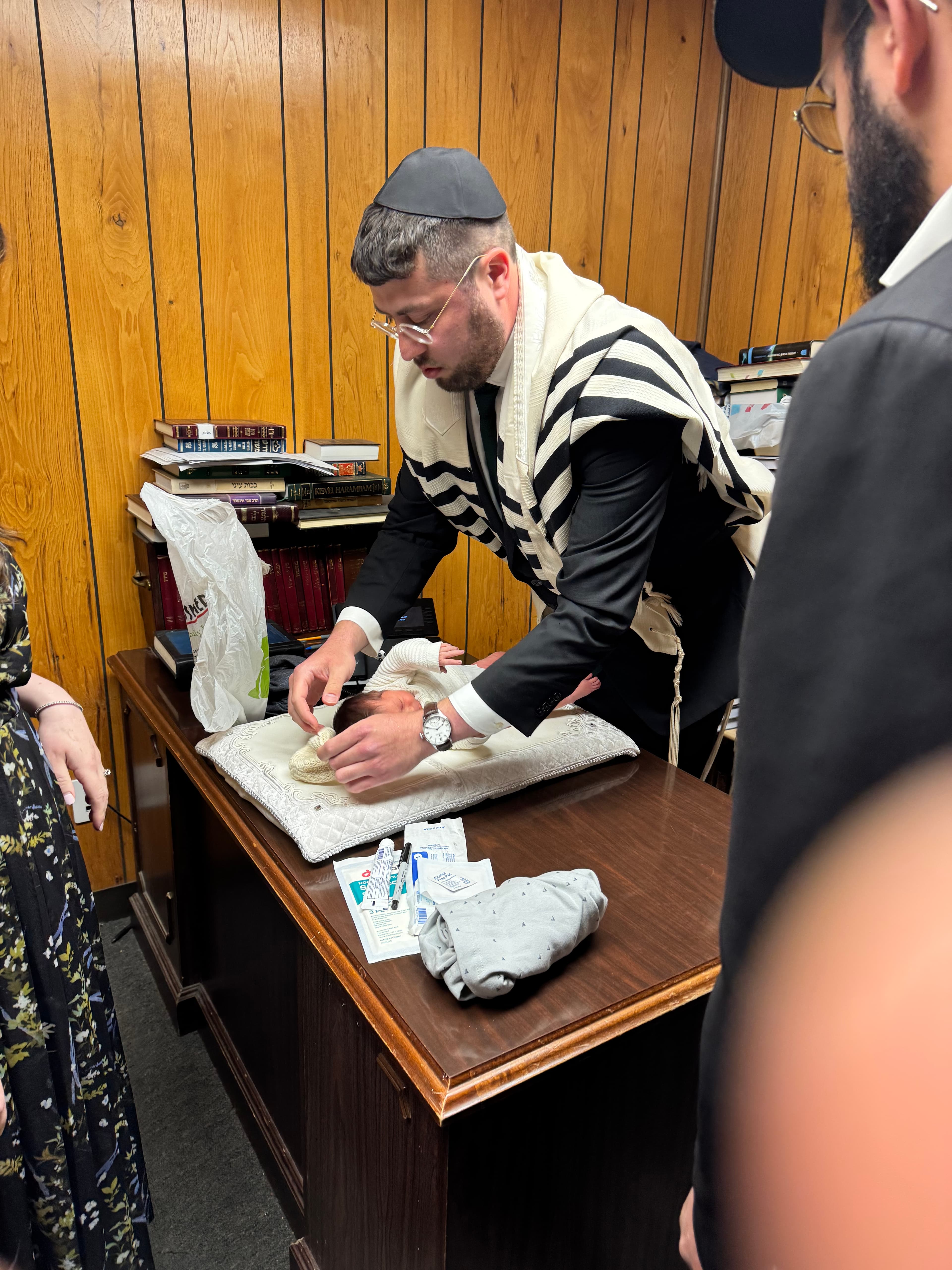
I will provide all necessary gauze pads, ointment, and aftercare supplies.
Before the Bris:
- Baby should finish feeding 1 hour before the bris.
- Baby should arrive 20 minutes before the scheduled time.
- Baby should NOT have creams, ointments, or oils applied prior to the bris.
Home Setup (if applicable):
If the bris will take place in your home, please prepare:
- Two chairs
- One table under adequate lighting
- Three tallises (prayer shawls)
If you need assistance obtaining any ritual items, please let me know.
Aftercare
- Recovery Checklist: If your baby is feeding, urinating, bathing (as instructed) and not experiencing excessive bleeding, recovery is generally proceeding as expected.
- Bandage: After the bris, a protective bandage may be placed around the incision. This bandage is typically removed by the mohel. If it falls off on its own and there is no bleeding, there is usually no cause for concern.
- Gauze Pads & Ointment: A gauze pad coated with ointment will be placed over the bris area to prevent friction from the diaper. With clean hands, replace the ointment-covered gauze pad with each dirty diaper, or at least three times daily, for the first three days (if stool gets on the wound, gently wash it off with warm water). If you will need them on Shabbos, they should be prepared beforehand. After the gauze supply is finished, continue applying a generous amount of ointment (Vaseline, A&D, or similar) directly to the area to promote healing.
- Diapering: Position the bris area downward toward the legs and use two diapers, one size larger than usual, for the first three days to provide additional protection and cushioning.
- Bathing: A daily full bath is recommended starting 24 hours after the bris to promote recovery. Until then, a sponge bath that avoids the bris area is perfectly acceptable. If the umbilical cord has not yet fallen off, please consult your pediatrician.
- Normal Healing: It is normal for the area to appear red, swollen, or develop a yellow healing layer during recovery. Some fussiness is also expected during the first day or two. If needed, please consult your pediatrician before giving infant Tylenol ® or any other medication. Please contact me or your pediatrician if your baby is not feeding normally, is not producing wet diapers, or if you have concerns about the healing process.
- When to Call for Help: A small amount of spotting or light bleeding is normal after a bris. However, in the unlikely event of excessive bleeding, apply firm pressure to the area with a clean gauze pad immediately and contact me, your pediatrician, and emergency services right away—even on Shabbos.
- Long-Term Care: Once healing is complete, gently clean beneath any folds of skin around the glans during bath time. Continuing this practice during the first year can help prevent adhesions and support proper healing.
- Questions?: I am always available to answer questions and address concerns during your son’s recovery. If something does not seem right—or if you simply want reassurance—please do not hesitate to contact me.
The Bris Ceremony
Tradition & Meaning
Our sages tell us that a boy’s Bris Milah is the foundation of his spiritual life. This is an auspicious moment to pray that a holy soul enters your son at his bris, that he may live a long and healthy life with a lifelong commitment to Jewish values and preserving our sacred covenant. I strive to conduct the ceremony in a calm, inclusive and elevating way.
Honors & Participation
The bris ceremony is also an opportunity for the parents to honor family members, friends and or dignitaries, to help bring their child into the covenant. The ceremony can be tailored to include as many people as you wish.
Honors for the Bris Ceremony (כיבודים לברית מילה)
Prepare and coordinate ceremonial honors for your family and guests
Here is a typical bris timeline
Kvatter Brings Baby In
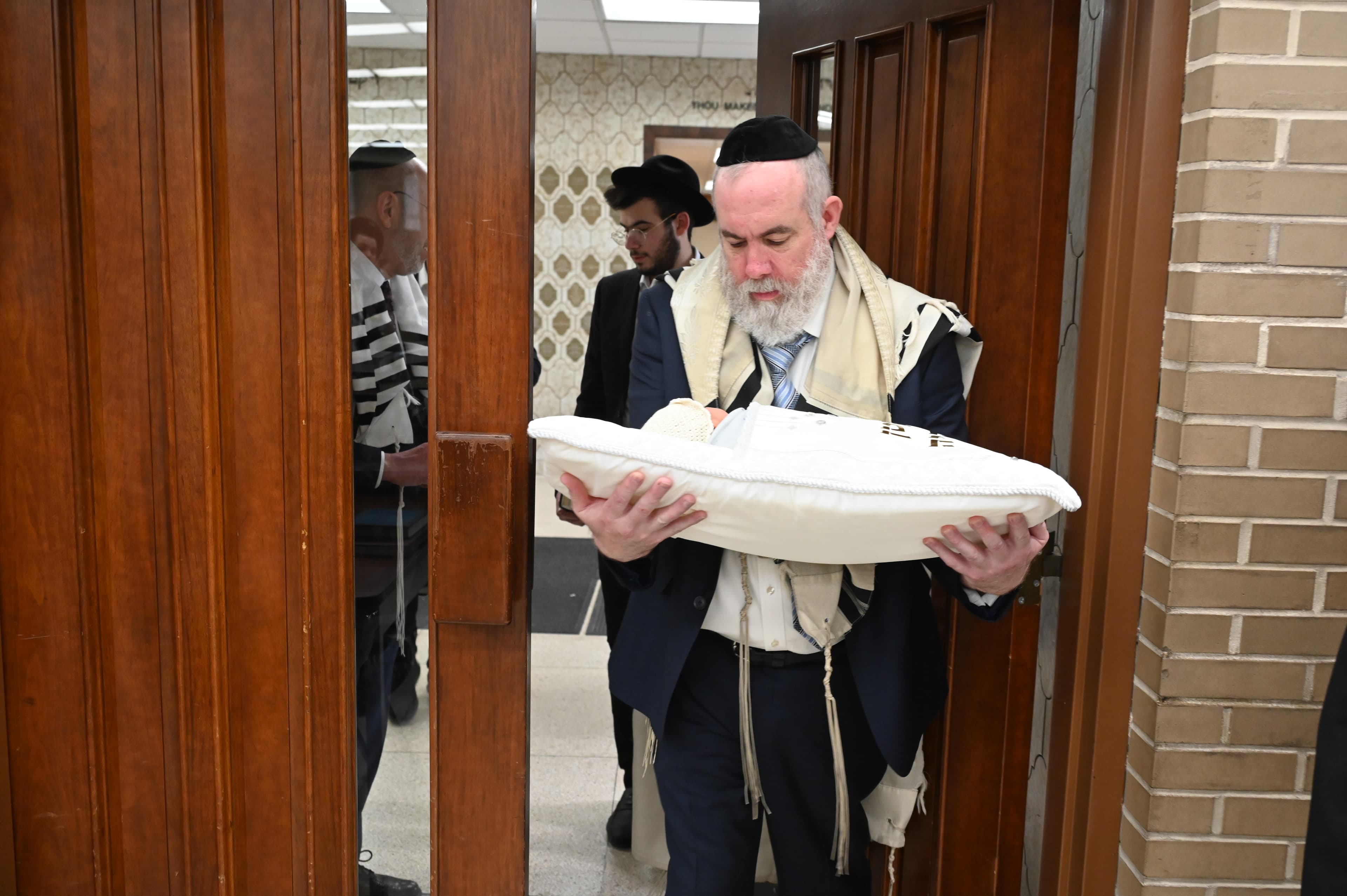
Kvatter
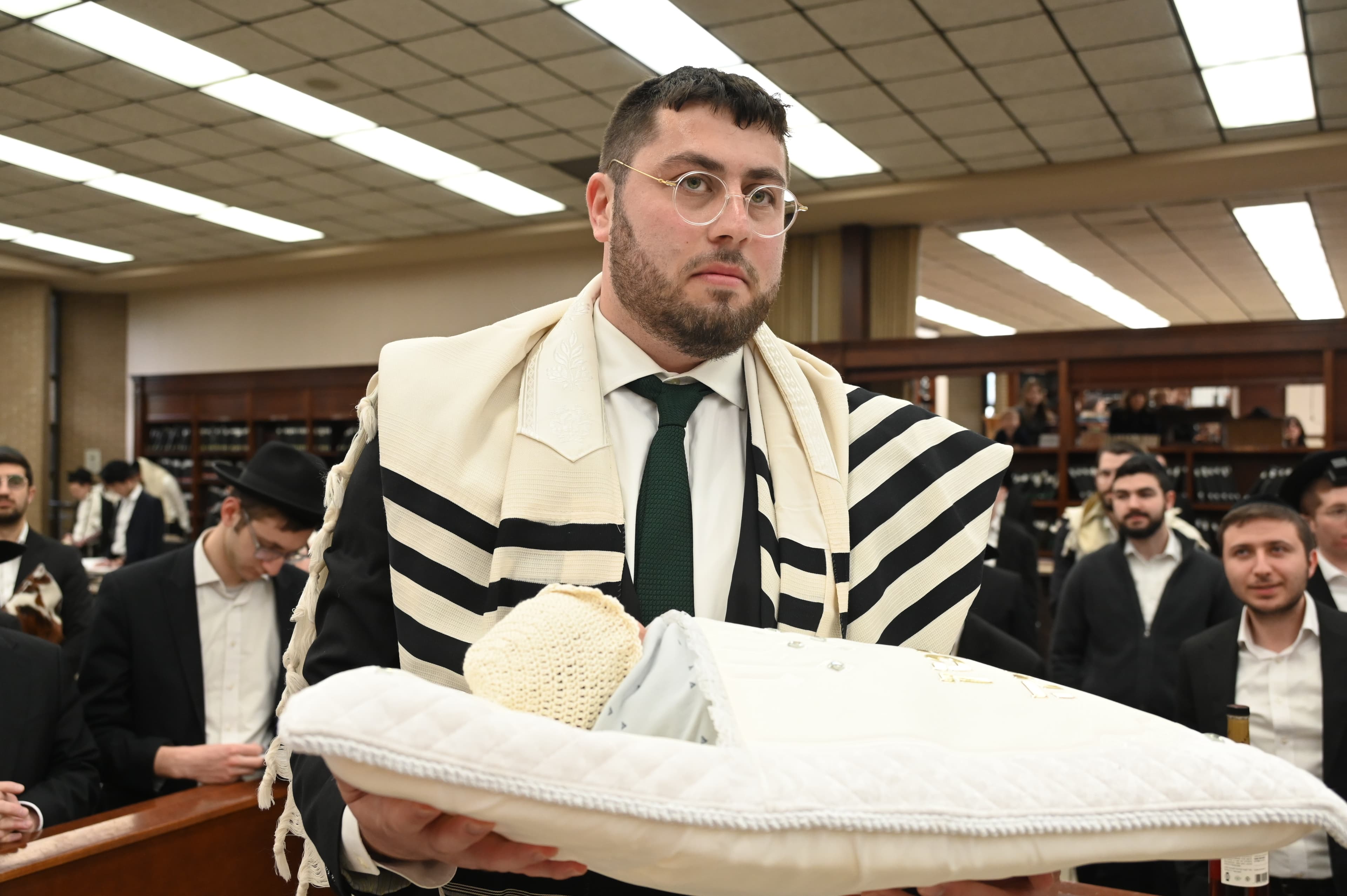
A married couple (or mother and son). The wife takes the baby from the mother and gives him to her husband, who brings the baby to the ceremony. After the ceremony, the husband brings the baby back to his wife, who returns him to the mother. This honor is considered a segulah (omen) for the kvatter couple to merit children of their own, so it is often given to newlyweds.
Kissei shel Eliyahu (Chair of Elijah)
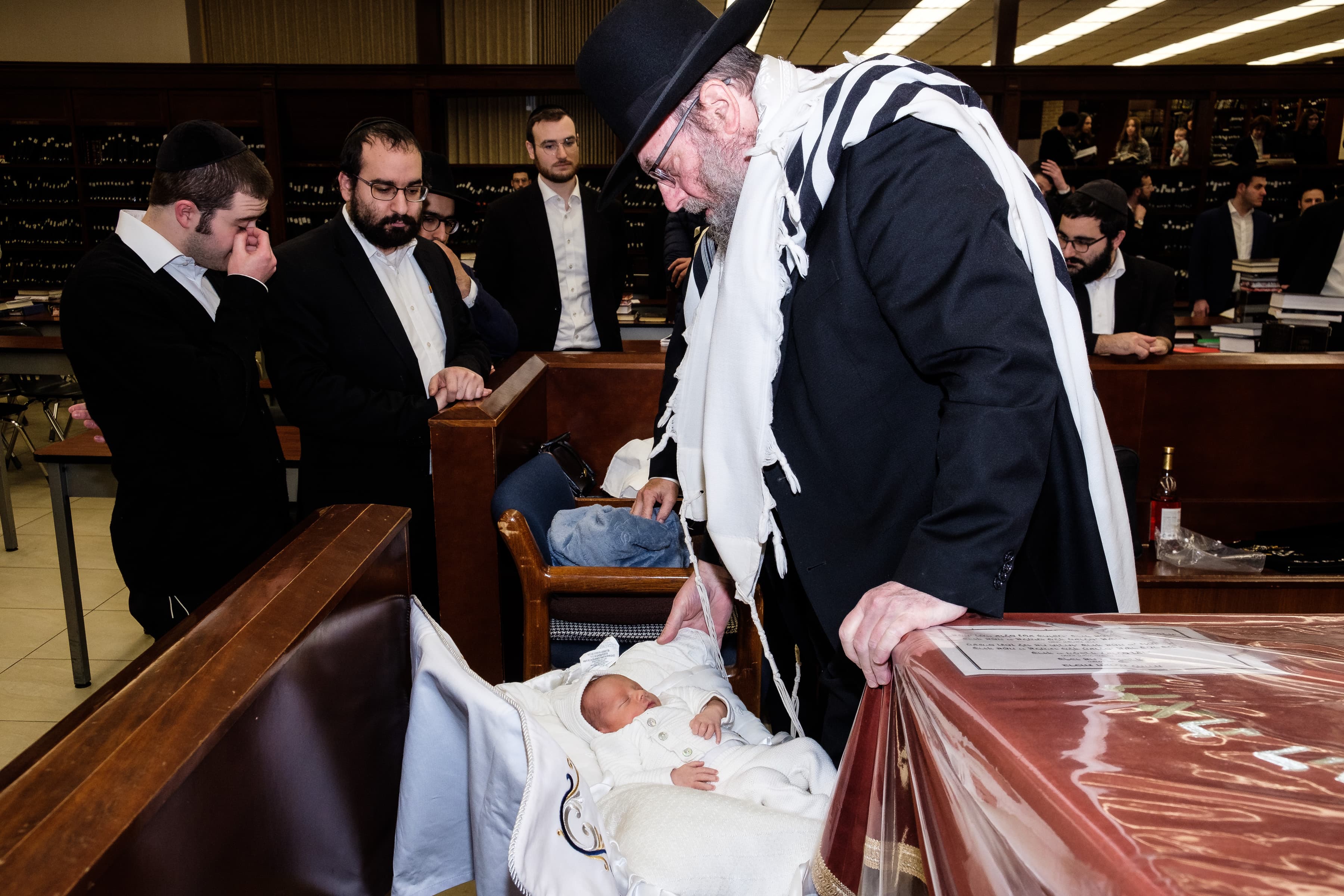
Kissei shel Eliahu
The baby is placed on the chair of Elijah the Prophet, and a special prayer is recited by the mohel.
Bris Done on Sandek's lap
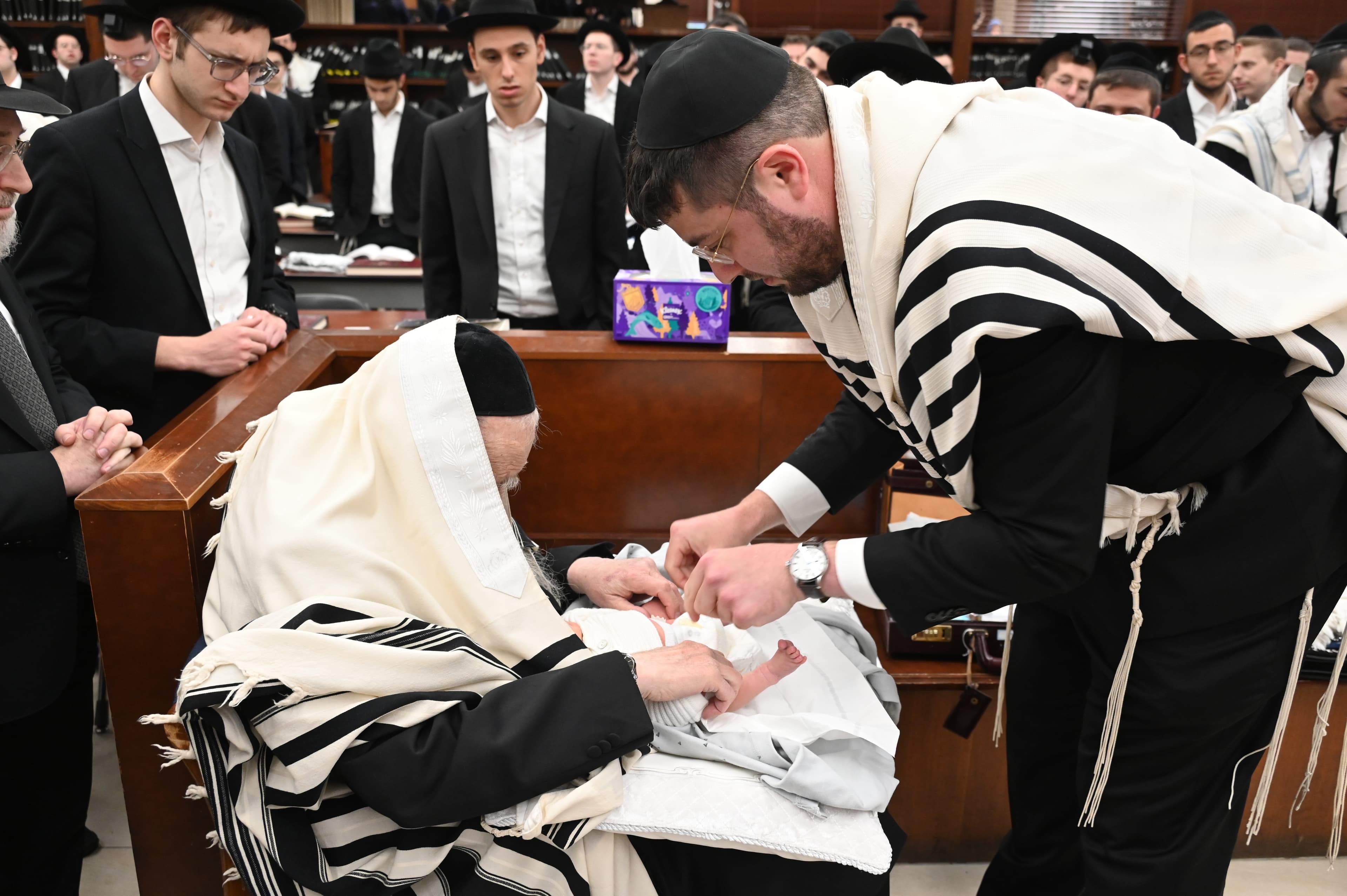
Sandek
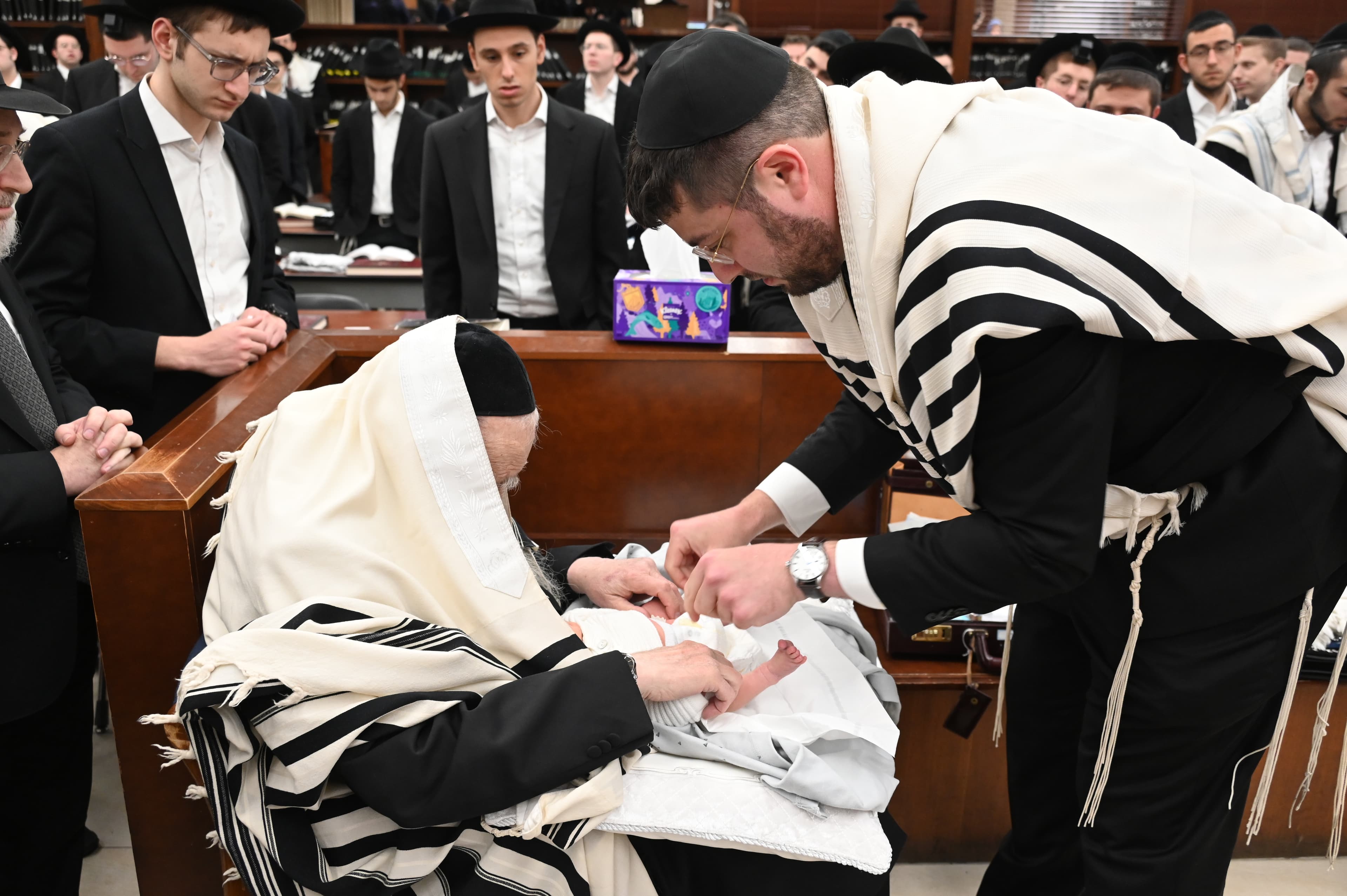
Considered the highest honor, usually given to a grandfather, mentor, or great rabbi. Sits in the chair next to Kissei shel Eliahu, receives the baby from the father, and holds him securely through the bris procedure. Customarily, one serves as sandek for only one son in a given family (with the exception of a great Rabbi).
Blessings and Name
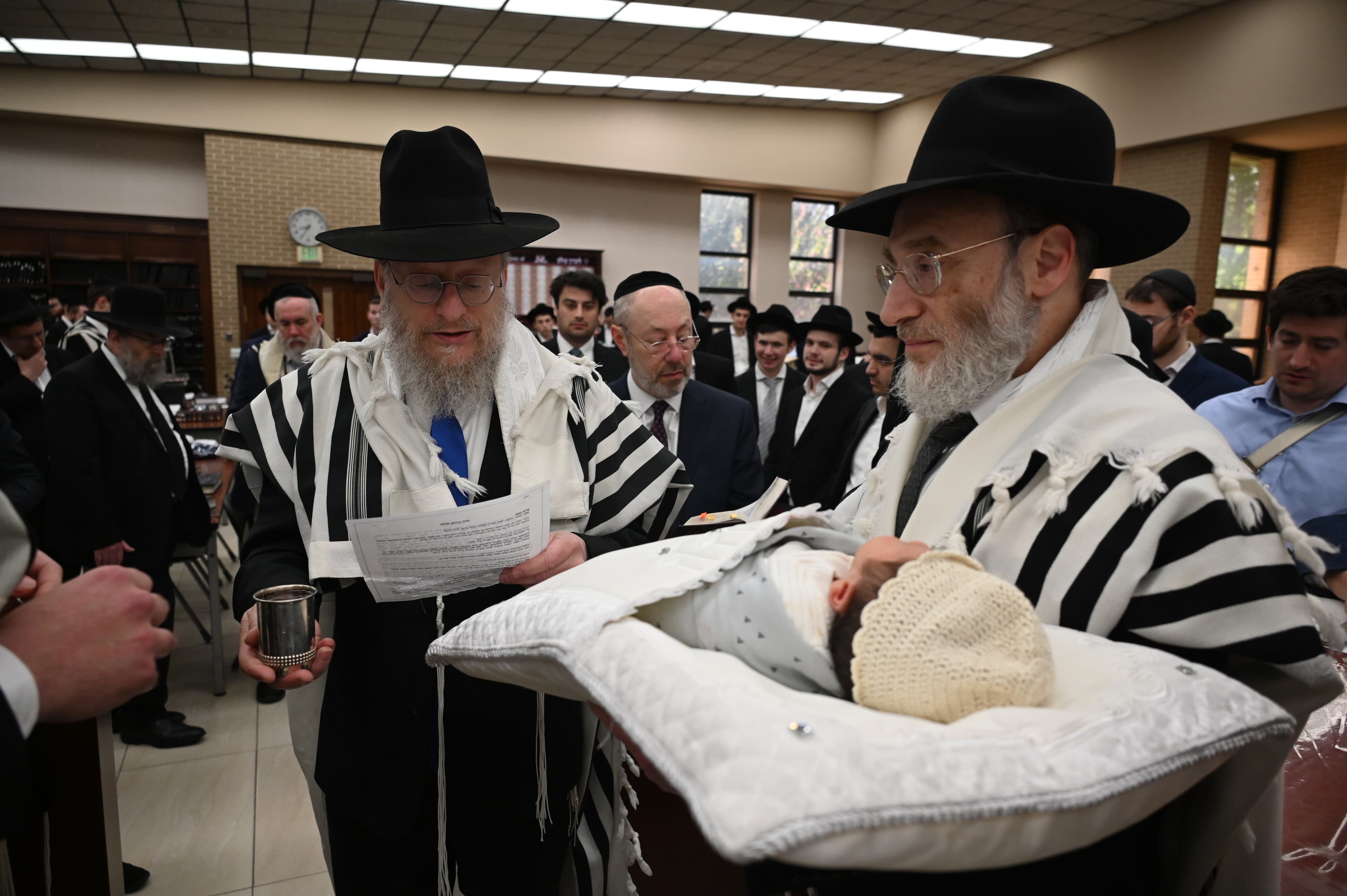
Brachos & Krias Shem
Blessings are recited over a goblet of wine and the baby’s Jewish name is announced. (Multiple Honors)
Kvatter Brings Back & Party
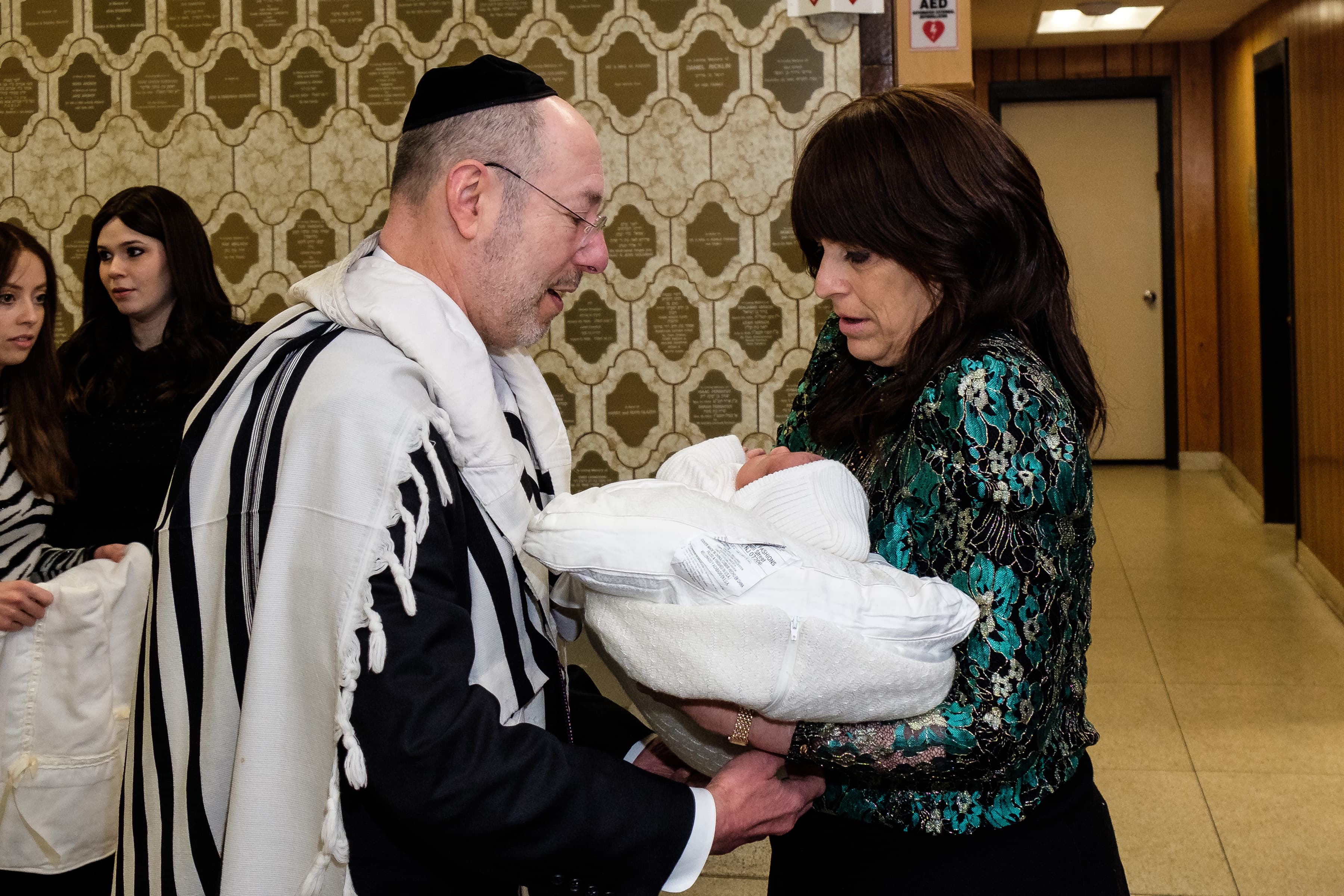
Naming (Boys & Girls)
Our sages teach us that the baby’s soul only enters after the bris; accordingly, it is the appropriate time to bestow his Hebrew name. Parenthetically, a girl’s naming ceremony takes place after her father is called up to the Torah soon after her birth. Parents may have a celebratory reception following the naming of their daughter. I am happy to help you craft a meaningful (non-invasive) naming ceremony for your baby girl as well. I am happy to offer any guidance as you name your child.
בס"ד
Honors for the Bris Ceremony
Parents have the opportunity to include family, friends, rabbis and dignitaries in this great mitzvah with the following honors. The Bris ceremony can be tailored to honor as many people as you wish. Please print this page, fill it out, and bring it to the Bris. Be sure to indicate the proper titles for honorees (rabbi, sabba, grandpa, uncle etc.) as they are to be called up. Don't hesitate to reach out to me if you would like my assistance in crafting a meaningful ceremony
| # | Honor | Title (Rabbi, Uncle, Grandpa etc.) | Honoree Name |
|---|---|---|---|
| 1 | Kvatter | ||
| 2 | Cheikas | ||
| 3 | Kissei shel Eliahu | ||
| 4 | MeiHaKissei | ||
| 5 | Sandek | ||
| 6 | MeiHaSandek | ||
| 7 | Brachos | ||
| 8 | Amida l’ Brachos | ||
| 9 | Krias Shem | ||
| 10 | Amida l’ Krias Shem |
Explanations & Guidelines:
- Kvatter: A married couple (or mother and son). The wife takes the baby from the mother and gives him to her husband, who brings the baby to the ceremony. After the ceremony, the husband brings the baby back to his wife, who returns him to the mother. This honor is considered a segulah (omen) for the kvatter couple to merit children of their own, so it is often given to newlyweds.
- Cheikas: Optional. Family members or friends who take the baby from the Kvatter and carry him closer to the front of the room. Can honor multiple men.
- Kissei shel Eliahu: Takes the baby from the Kvatter and places him on Kissei shel Eliahu, the throne set aside for Elijah the Prophet.
- MeiHaKissei: Optional. Removes the baby from Kissei shel Eliahu and hands him to the father.
- Sandek: Considered the highest honor, usually given to a grandfather, mentor, or great rabbi. Sits in the chair next to Kissei shel Eliahu, receives the baby from the father, and holds him securely through the bris procedure. Customarily, one serves as sandek for only one son in a given family (with the exception of a great Rabbi).
- MeiHaSandek: Optional. After the bris, lifts the baby from the Sandek's lap and hands him to the next honoree.
- Brachos: recites blessings (Hebrew) over a goblet of wine. May be combined with Krias Shem
- Amida l’ Brachos: Holds the baby standing up during the recitation of the blessings. May be combined with Amida l’ Krias Shem
- Krias Shem: Recites a prayer in Hebrew announcing the child's Jewish name.
- Amida l’ Krias Shem: Holds the baby standing up during the recitation of the naming formula
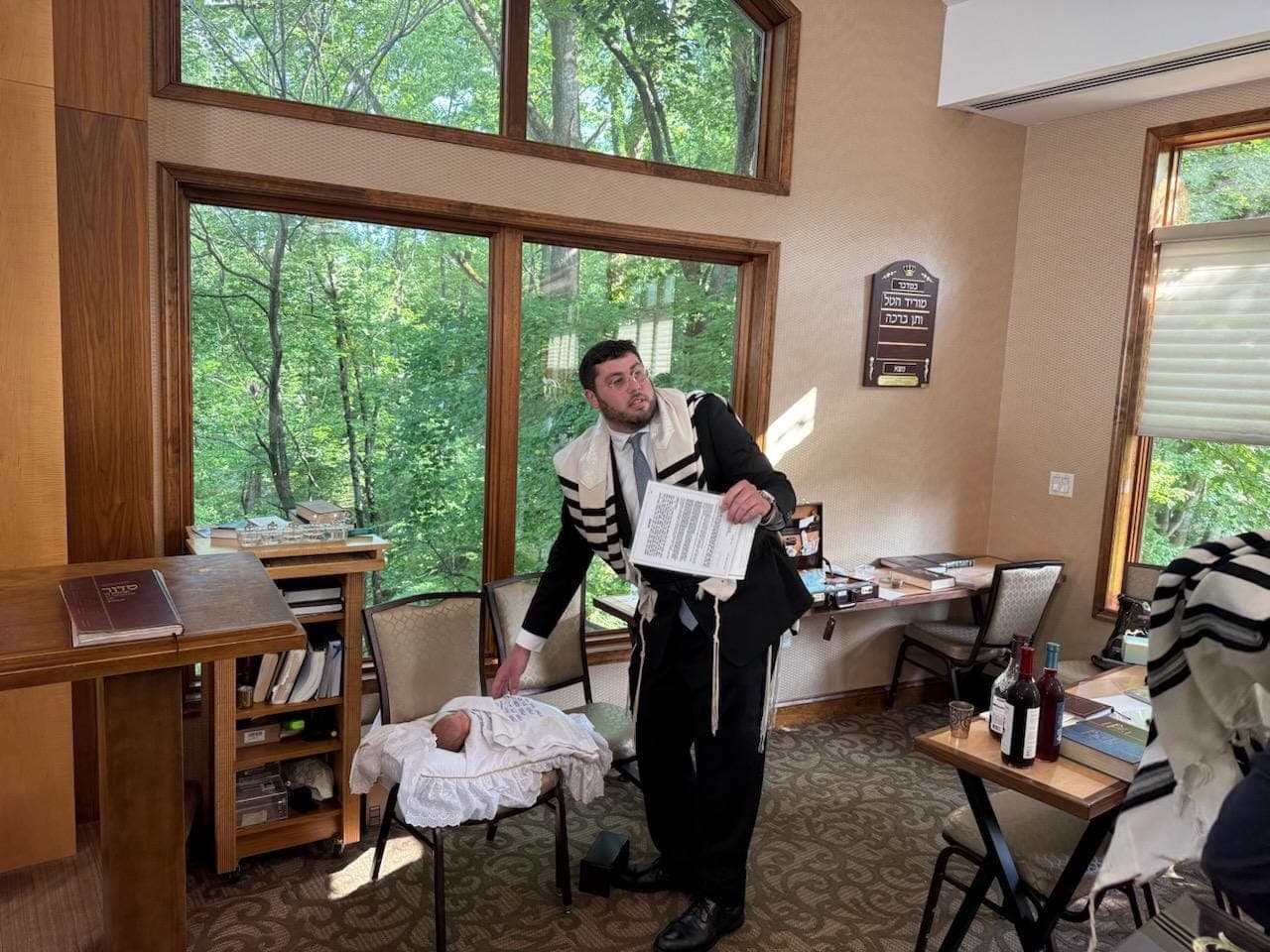
Capturing the Sanctity of the Moment
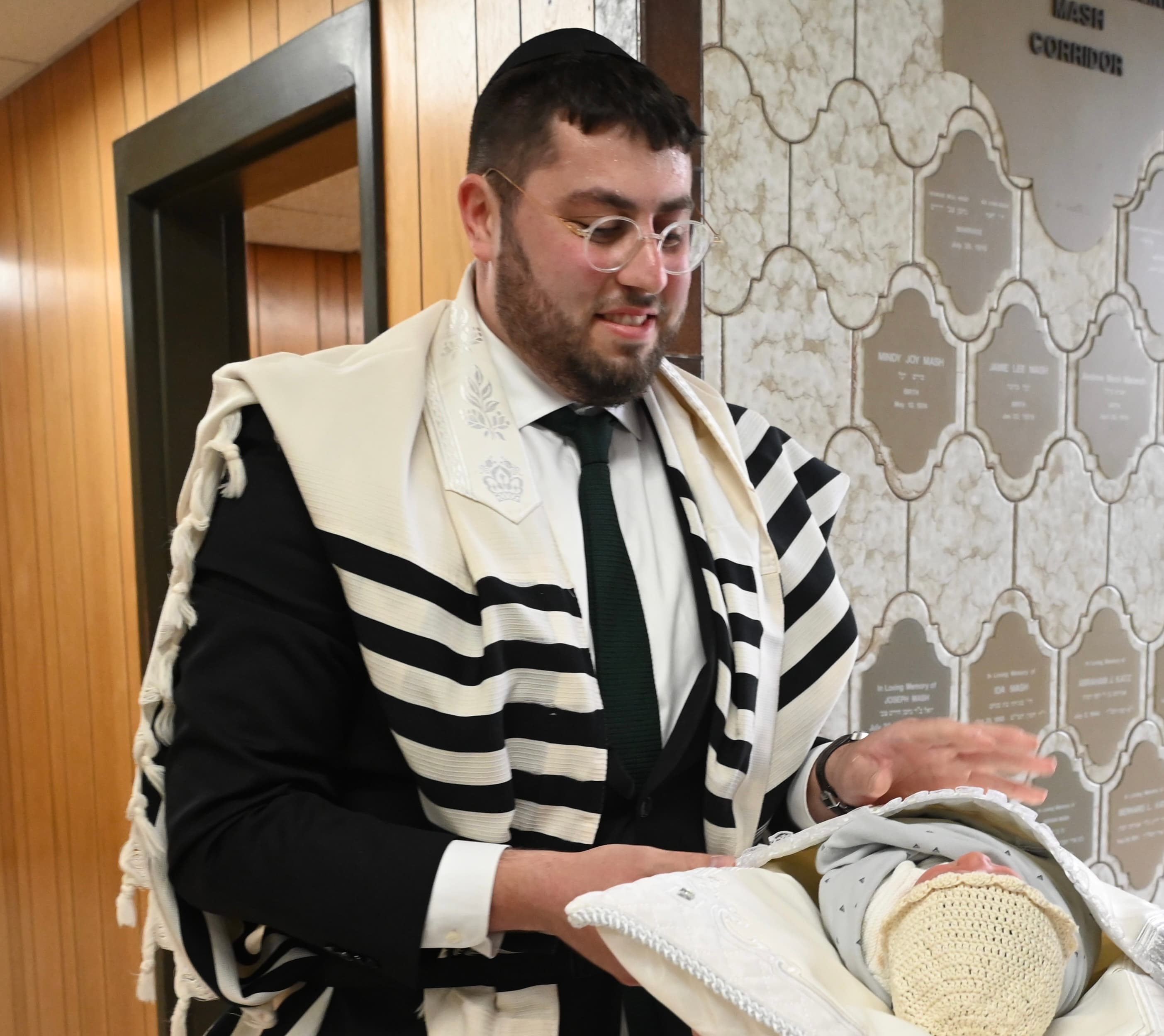
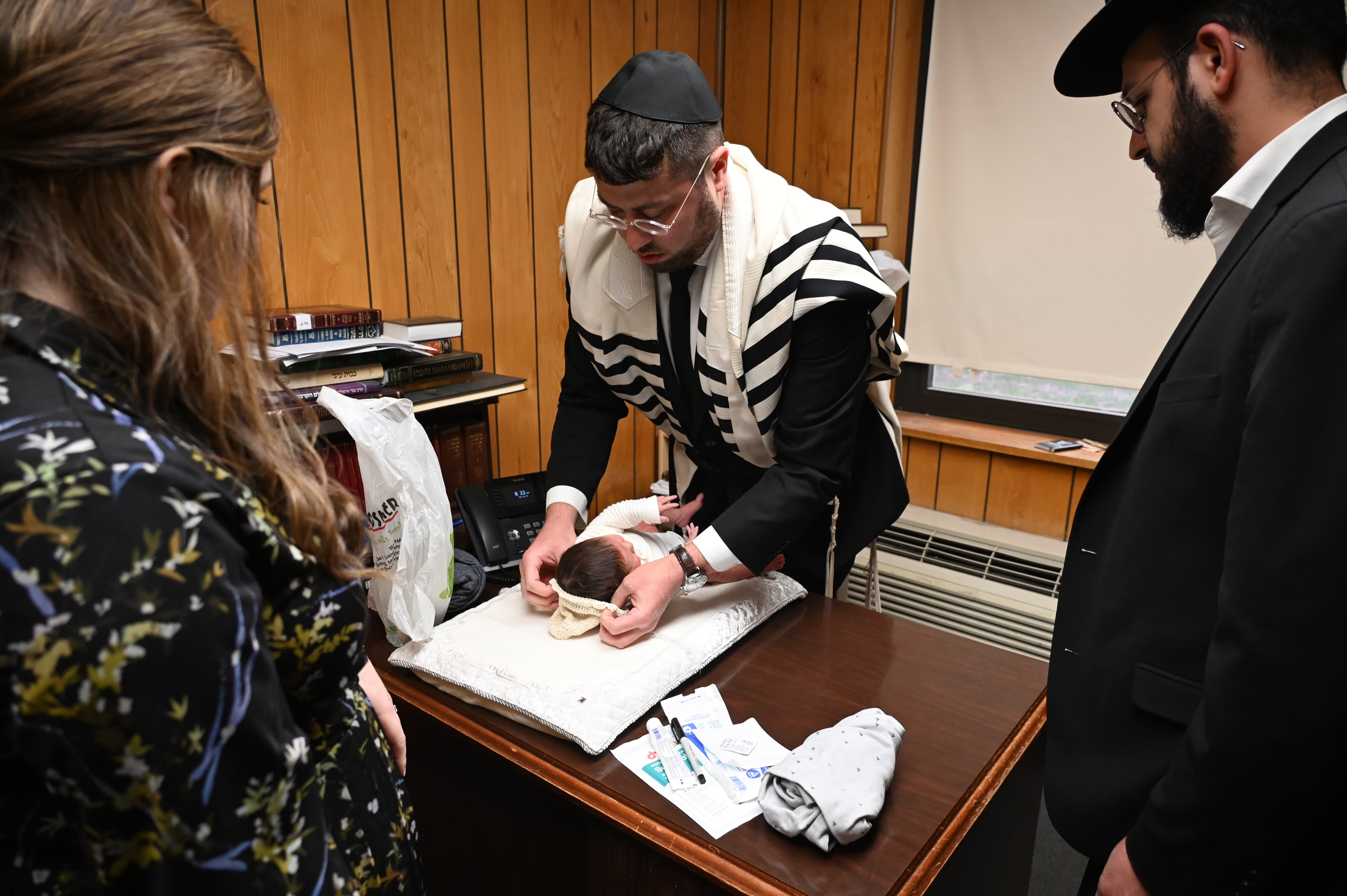
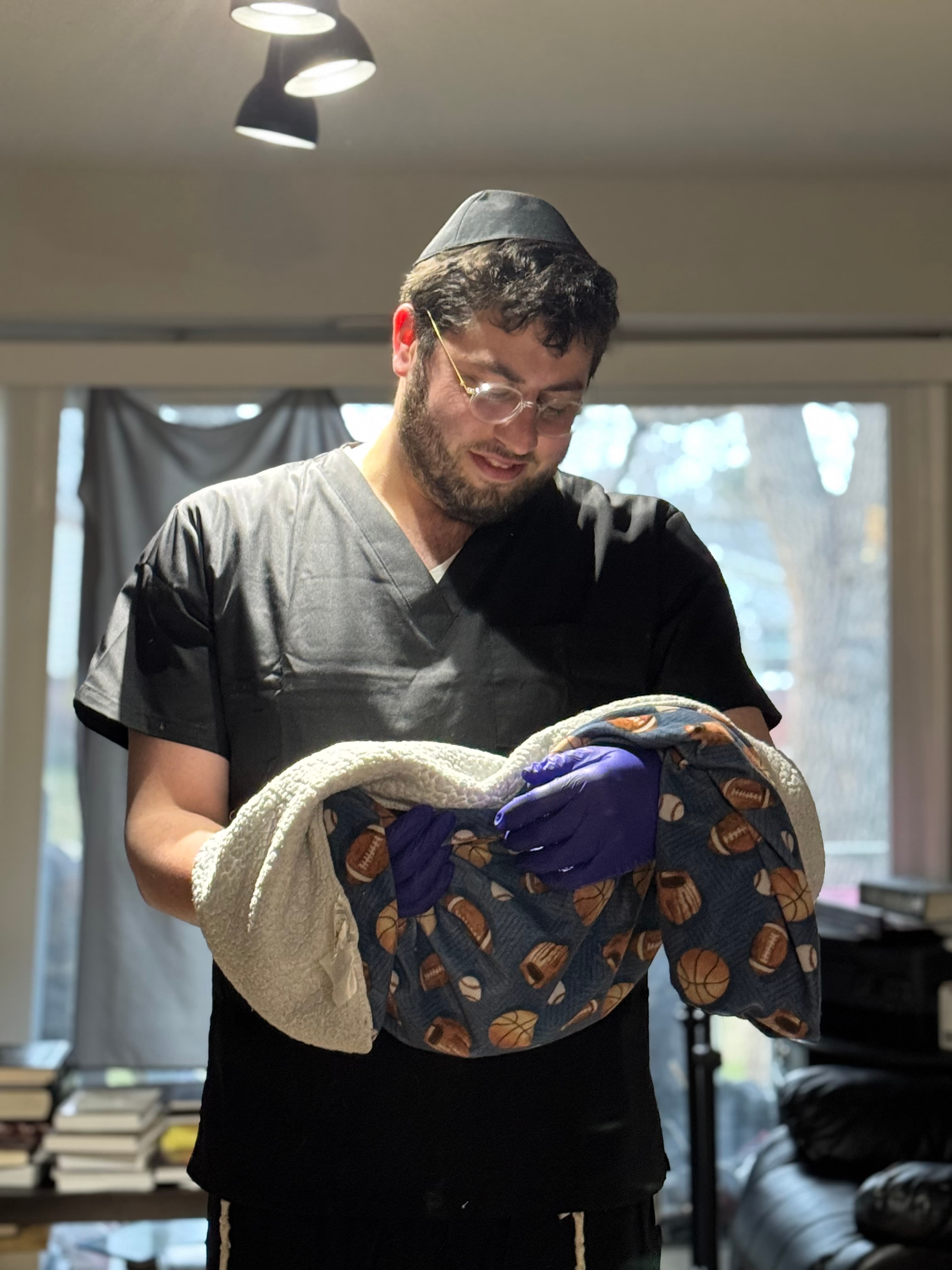
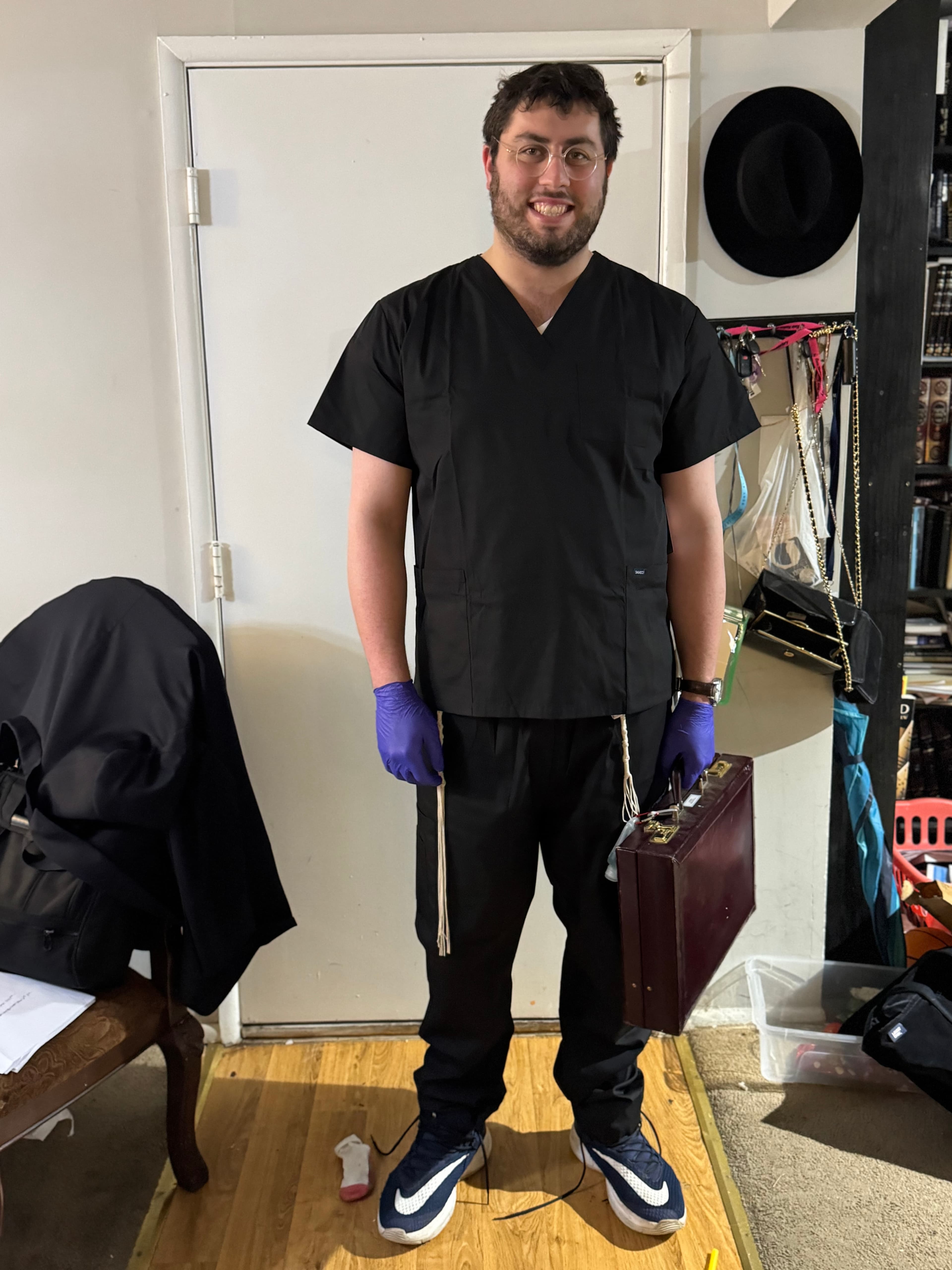
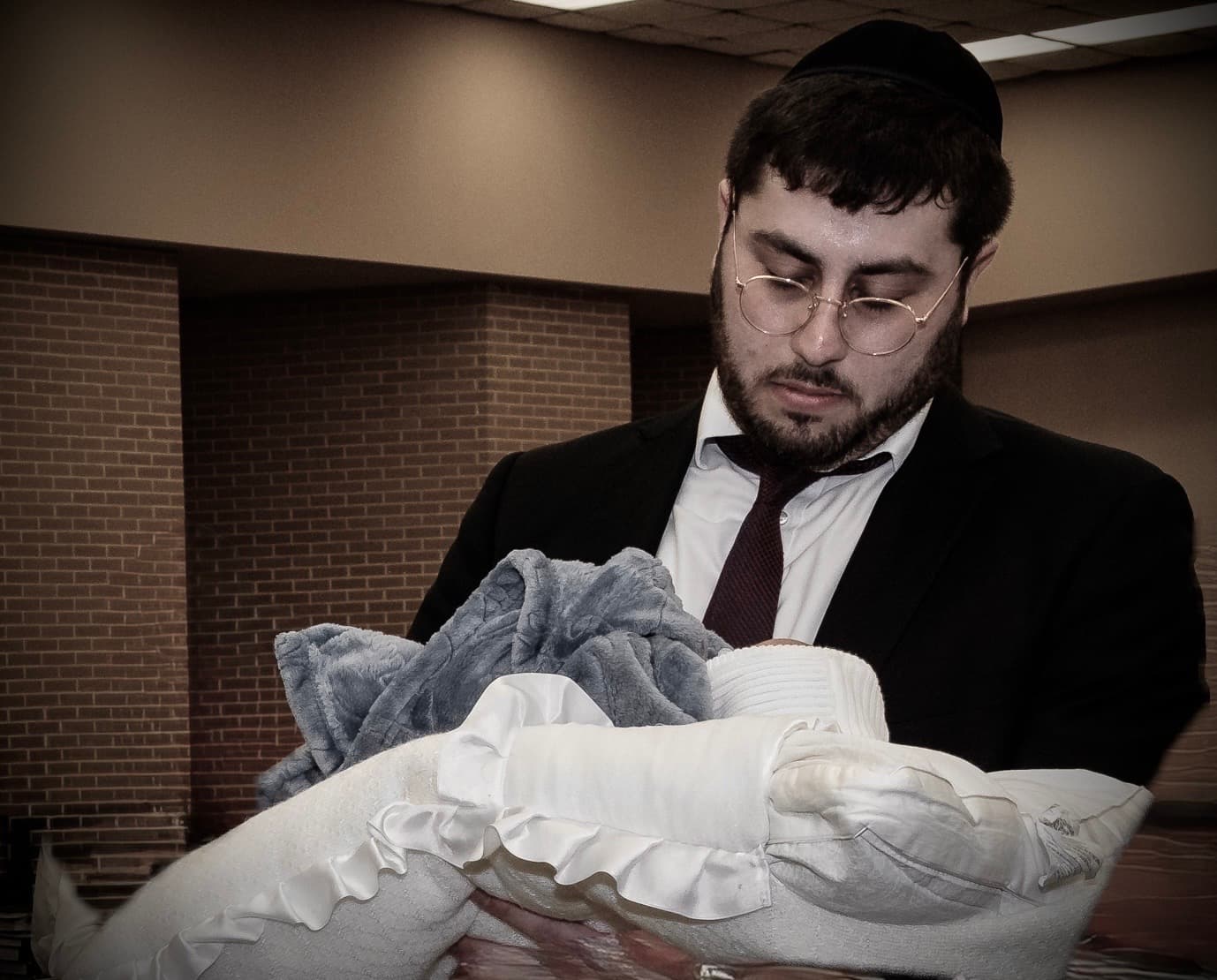
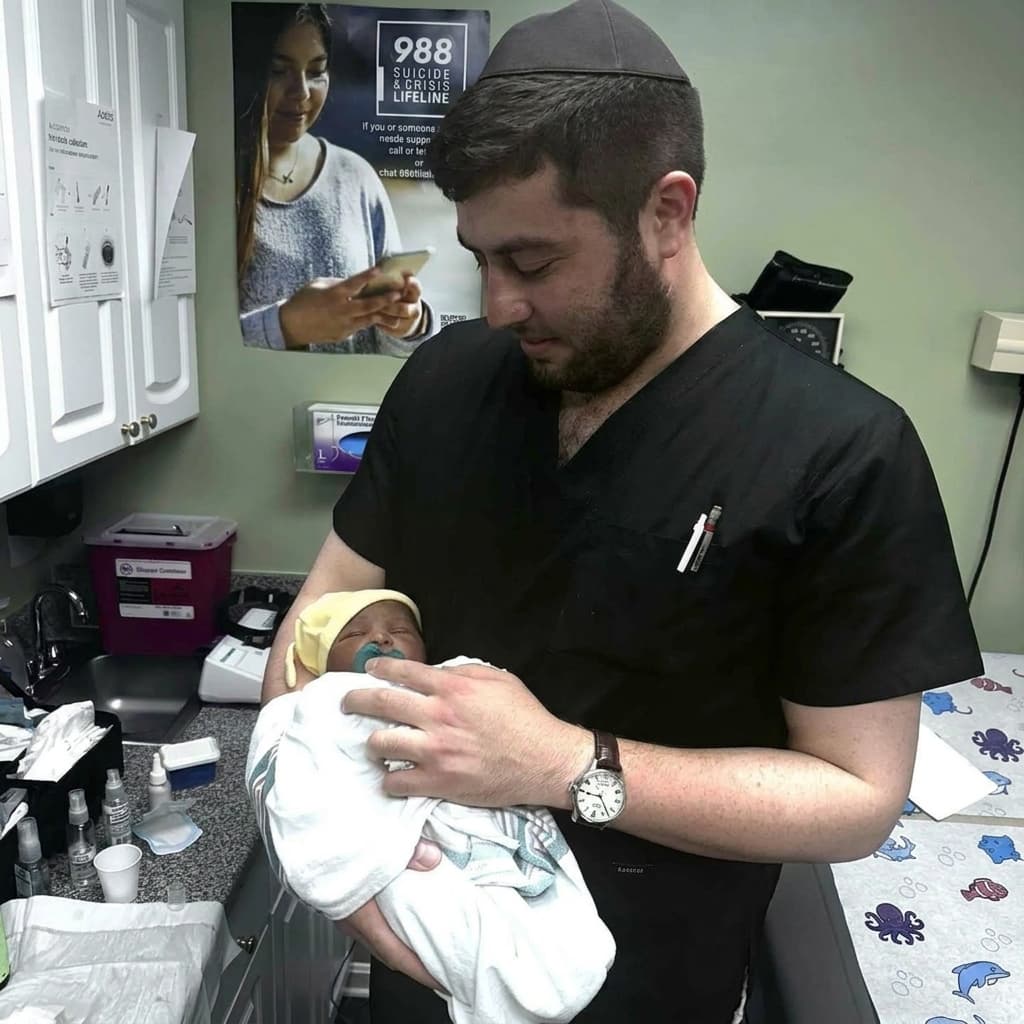
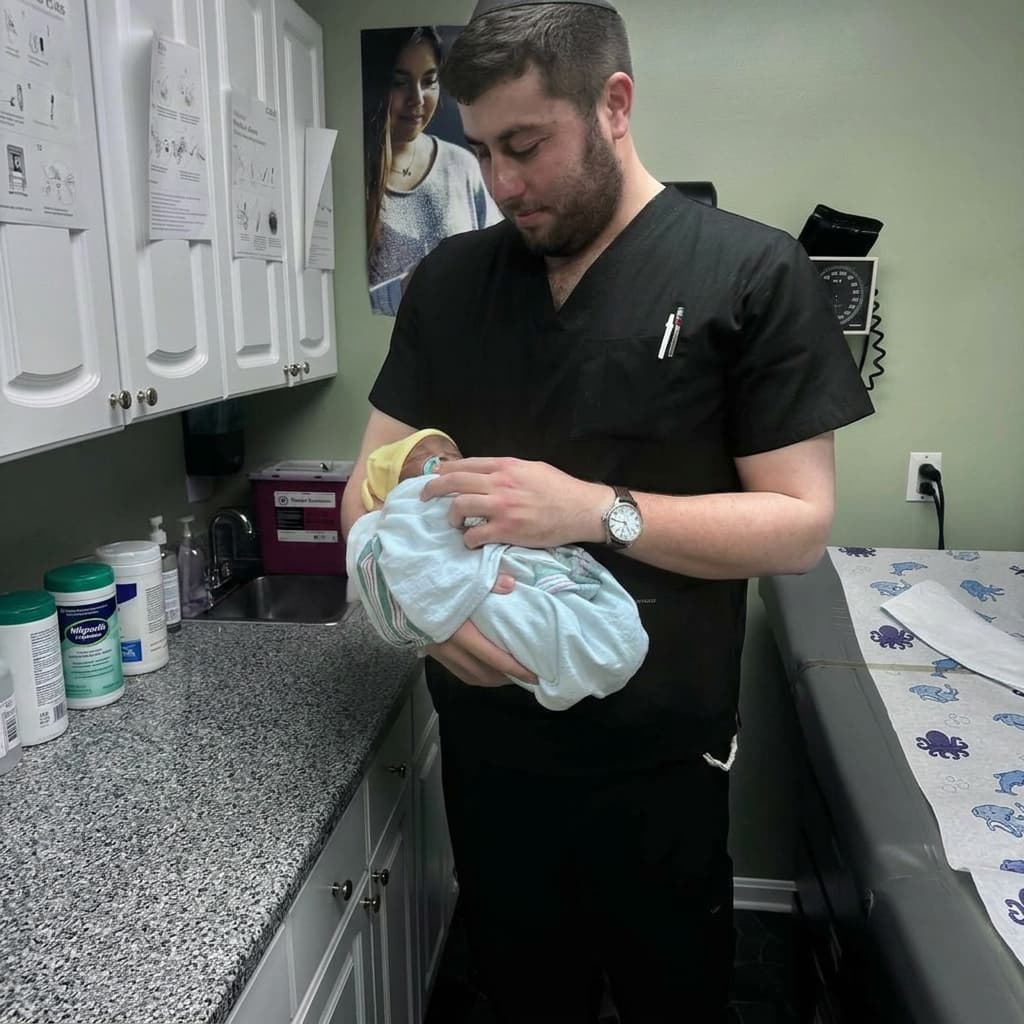
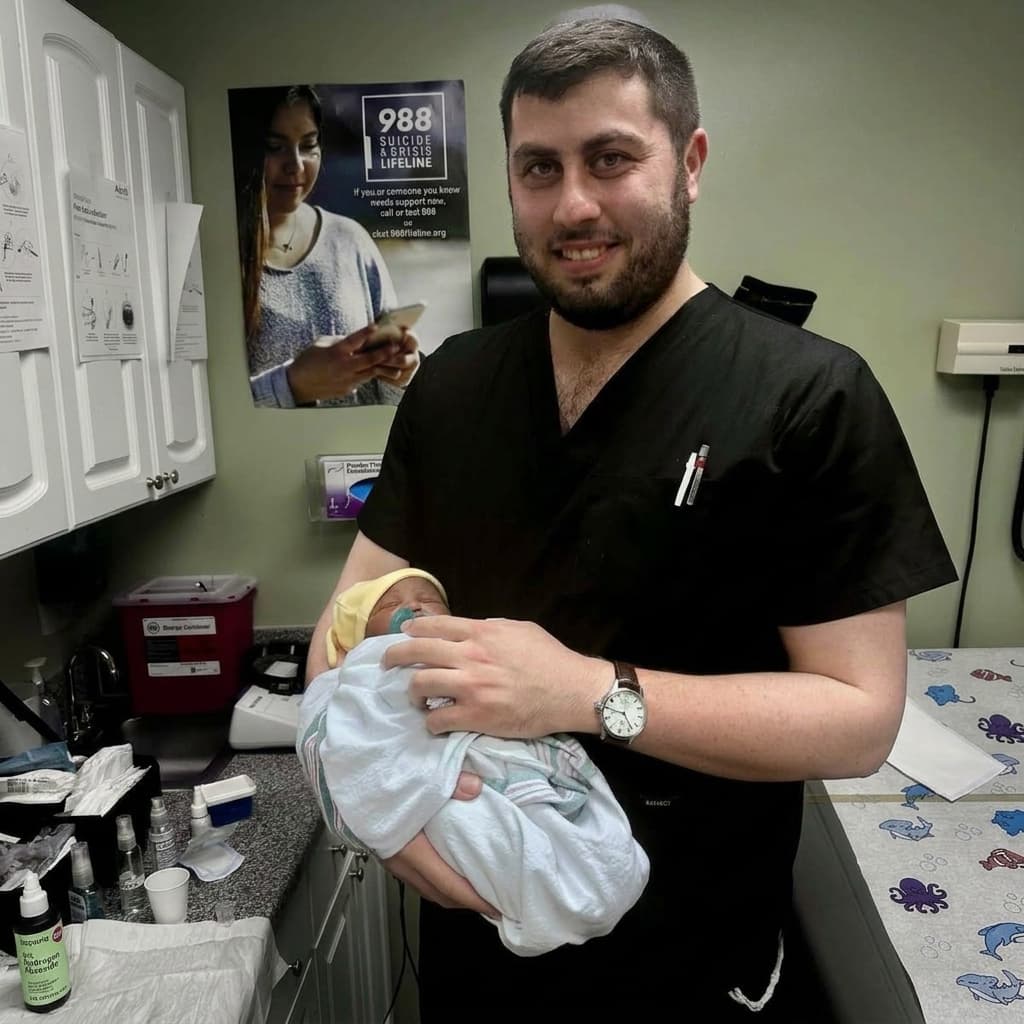
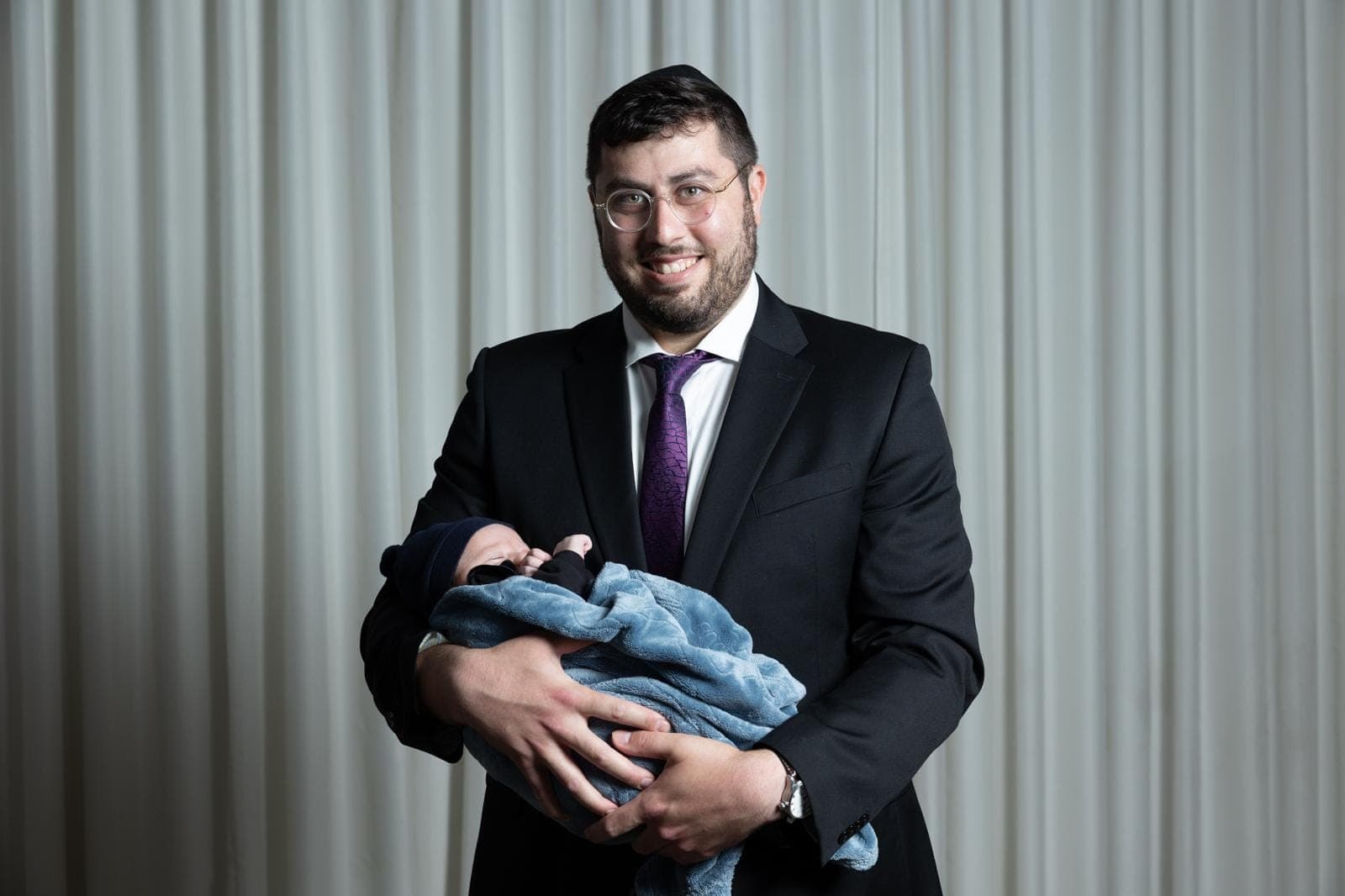
A glimpse into the professional and compassionate environment Rabbi Zvi Spiegel creates for every family.
Let's Prepare for Your Son's Special Day
Want to schedule or preregister your son’s Bris? Just have a question? Please reach out with the form on the right or the contact information below, and I will get back to you shortly.
Secure & Confidential
Your family's details are handled with extreme care, privacy, and professional discretion.
Secure & Confidential
Your family's details are handled with extreme care, privacy, and professional discretion.